
Running a warehouse efficiently involves numerous decisions, and one critical choice is selecting the right pallet jack. These essential tools simplify the movement of goods, contributing significantly to operational productivity. However, with various types of pallet jacks available, choosing the right one for your specific needs can be challenging. This guide will help you understand the different types of pallet jacks and their features, ensuring you make an informed decision.
1. Understanding Your Warehouse Requirements
Before diving into the types of pallet jacks, it’s crucial to evaluate your warehouse’s specific needs. Consider the following factors:
- Load Capacity: Determine the average and maximum weight of the loads you’ll be handling. This will help you choose a pallet jack that can safely and efficiently move your goods.
- Warehouse Size: The size and layout of your warehouse will influence the type of pallet jack you need. For instance, narrow aisles may require more maneuverable options.
- Frequency of Use: Assess how often the pallet jack will be used. Frequent use may necessitate a more durable and high-performance model.
- Type of Goods: Consider the nature of the goods you’re transporting. Fragile or hazardous materials may require specialized pallet jacks.
2. Types of Pallet Jacks
Manual Pallet Jacks
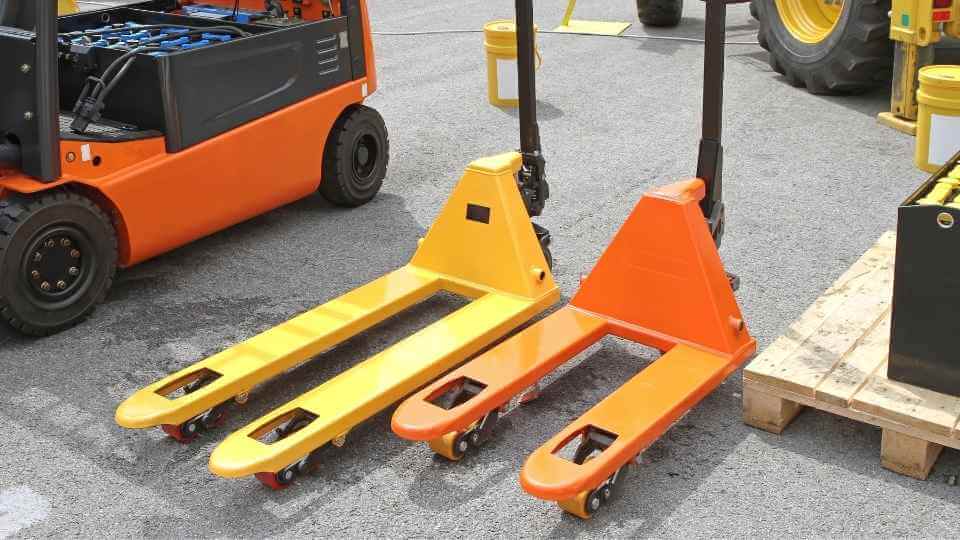
Manual pallet jacks are the most basic type, operated by a handle that the user pumps to lift the load. They are cost-effective, require minimal maintenance, and are suitable for smaller warehouses or less frequent use. Key features include:
- Load Capacity: Typically around 5,500 lbs.
- Cost: Generally lower than other types, making them an economical choice.
- Operation: Simple to use but can be physically demanding for heavy loads.
Electric Pallet Jacks
Electric pallet jacks, also known as powered pallet jacks, are motorized and reduce the physical effort required to move loads. They are ideal for larger warehouses with high-frequency use. Key features include:
- Load Capacity: Can handle up to 6,000 lbs.
- Cost: Higher initial investment but offers better efficiency and productivity.
- Operation: Easier to operate, with less strain on the operator, and often includes features like adjustable speeds and braking systems.
Rough Terrain Pallet Jacks
These are designed for outdoor or uneven surfaces, making them suitable for construction sites or outdoor storage areas. Key features include:
- Load Capacity: Varies, but generally robust enough for heavy-duty use.
- Cost: Higher due to specialized design.
- Operation: Equipped with larger wheels and enhanced stability for rough terrain.
High-Lift Pallet Jacks
High-lift pallet jacks can elevate loads to greater heights, useful for stacking or positioning goods at different levels. Key features include:
- Load Capacity: Typically lower than standard pallet jacks, around 2,200 lbs.
- Cost: Higher due to lifting capabilities.
- Operation: Suitable for lifting goods to ergonomic working heights, reducing the risk of injury.
3. Key Features to Consider
When choosing a pallet jack, consider the following features to ensure it meets your warehouse needs:
Load Capacity
Ensure the pallet jack can handle the maximum weight of your loads. Overloading can damage the equipment and pose safety risks.
Fork Length and Width
The dimensions of the fork should match the size of your pallets. Standard pallets typically require standard fork sizes, but custom sizes may be necessary for specific applications.
Maneuverability
Consider the turning radius and ease of maneuvering the pallet jack in your warehouse. This is especially important in spaces with narrow aisles or tight corners.
Durability
Look for pallet jacks made from high-quality materials that can withstand regular use and harsh conditions. Features like reinforced forks and corrosion-resistant finishes enhance durability.
Ergonomics
Ergonomic designs reduce strain on operators, improving productivity and reducing the risk of workplace injuries. Look for features like comfortable handles and easy-to-use controls.
Maintenance
Consider the ease of maintenance and availability of spare parts. Regular maintenance is crucial for the longevity and performance of your pallet jack.
4. Safety Considerations
Safety is paramount in any warehouse operation. When choosing a pallet jack, ensure it meets all safety standards and includes features that enhance operational safety:
- Braking Systems: Electric pallet jacks should have reliable braking systems to control speed and ensure safe operation.
- Load Stability: Ensure the pallet jack can securely hold and transport loads without tipping.
- Operator Training: Proper training on the use of pallet jacks is essential to prevent accidents and injuries.
5. Cost vs. Value
While cost is an important factor, it’s essential to consider the overall value the pallet jack brings to your operations. A higher initial investment in a quality pallet jack can lead to long-term savings through improved efficiency, reduced maintenance costs, and enhanced safety.
Initial Cost
Compare the initial purchase price of different types of pallet jacks, but don’t compromise on essential features and quality.
Operating Costs
Consider the operating costs, including energy consumption for electric models and maintenance expenses. Lower operating costs can offset a higher purchase price over time.
Longevity
Investing in a durable, high-quality pallet jack can result in longer service life and fewer replacements, providing better value in the long run.
6. Making the Final Decision
To make the final decision, evaluate the options based on your specific warehouse needs, budget, and the key features discussed. Here’s a step-by-step approach:
- Identify Your Needs: List your requirements, including load capacity, warehouse size, and frequency of use.
- Research Options: Explore different types of pallet jacks and their features.
- Compare Models: Compare models based on load capacity, fork dimensions, maneuverability, durability, ergonomics, and maintenance.
- Consider Safety: Ensure the chosen pallet jack meets safety standards and includes necessary safety features.
- Evaluate Costs: Assess both initial and operating costs to determine the best value for your investment.
- Seek Expert Advice: Consult with suppliers or experts to get recommendations based on your specific needs.
Conclusion
Choosing the right pallet jack for your warehouse is crucial for efficient and safe operations. By understanding your specific needs, evaluating the different types of pallet jacks, and considering key features and costs, you can make an informed decision that enhances productivity and ensures the smooth running of your warehouse. Investing in the right equipment not only improves operational efficiency but also contributes to a safer and more ergonomic working environment for your staff. Duzi Storage Solutions has an extensive range of pallet jacks. View our page here or get in touch to speak to one of our expert technicians and get a FREE quote today!


